North Finchley N12 hedge and lawn gardeners near ArtsDepot
If you live, work, or manage a property near ArtsDepot, you already know how quickly a garden can go from neat to slightly out of hand. One damp week, a few warm days, and suddenly the hedge has a mind of its own while the lawn starts looking patchy and tired. That is where North Finchley N12 hedge and lawn gardeners near ArtsDepot become genuinely useful: not just for cutting things back, but for keeping the whole outdoor space healthy, tidy, and easier to live with.
This guide is designed to help you understand what to expect, how local garden maintenance usually works, and how to judge whether a service is right for your space. It also covers practical details people often miss at first glance: timing, seasonal care, common mistakes, compliance, and the little decisions that make a big difference over a year. If you are comparing providers, it may help to browse related services such as hedge trimming, lawn mowing, or broader garden maintenance before you decide what your plot actually needs.
Truth be told, a good garden service in this part of North Finchley is rarely about one-off glamour. It is about rhythm. A clean edge here, the right cut there, a bit of consistency, and the space starts looking cared for again. Not flashy. Just right.
Table of Contents
- Why North Finchley N12 hedge and lawn gardeners near ArtsDepot Matters
- How North Finchley N12 hedge and lawn gardeners near ArtsDepot Works
- Key Benefits and Practical Advantages
- Who This Is For and When It Makes Sense
- Step-by-Step Guidance
- Expert Tips for Better Results
- Common Mistakes to Avoid
- Tools, Resources and Recommendations
- Law, Compliance, Standards, or Best Practice
- Options, Methods, or Comparison Table
- Case Study or Real-World Example
- Practical Checklist
- Conclusion
- Frequently Asked Questions
Why North Finchley N12 hedge and lawn gardeners near ArtsDepot Matters
The area around ArtsDepot has a mix of homes, flats with communal edges, small front gardens, rear lawns, and access routes that need to stay neat without becoming over-managed. That matters because outdoor spaces are not only decorative in North Finchley N12; they shape first impressions, affect kerb appeal, and can make day-to-day living easier or harder. A hedge that blocks light, a lawn that turns thin and mossy, or borders that are left too long can quickly make a place feel neglected.
For landlords, homeowners, and property managers, regular hedge and lawn care also protects the long-term condition of the garden. Plants are easier to shape early than rescue later. Lawns recover better when they are kept in a sensible cycle. And if you are in a busy local pocket like the ArtsDepot area, where space can be tight and neighbours are close by, a tidy routine avoids that awkward "sorry about the hedge clippings" moment we all know too well.
There is a practical side too. Overgrown hedges can shade lawns, make paths feel narrow, and sometimes hide drainage or boundary issues. A lawn left unmanaged can invite weeds, compacted soil, and uneven growth. So this is not just about looks. It is about keeping a garden functional, safe to move through, and much easier to maintain through spring, summer, and those damp London weeks when everything grows faster than expected.
Expert summary: near ArtsDepot, the best garden maintenance is usually steady, local, and seasonal. A good service keeps hedges in shape, lawns healthy, edges crisp, and problems small enough to deal with before they become annoying. That is the whole game, really.
How North Finchley N12 hedge and lawn gardeners near ArtsDepot Works
Most local hedge and lawn care begins with a quick assessment. A gardener looks at hedge species, height, growth density, access, lawn condition, border edges, and any awkward features such as narrow side passages or sloping ground. From there, the work is usually split into a sensible routine rather than one dramatic all-at-once cut. That approach is kinder to the plants and gives you better results over time.
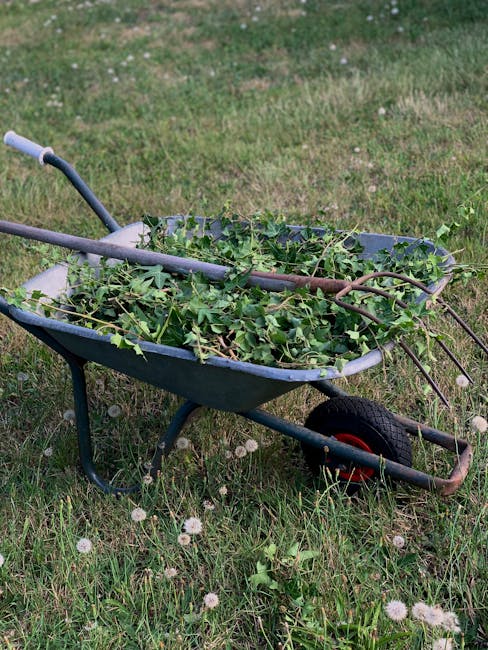
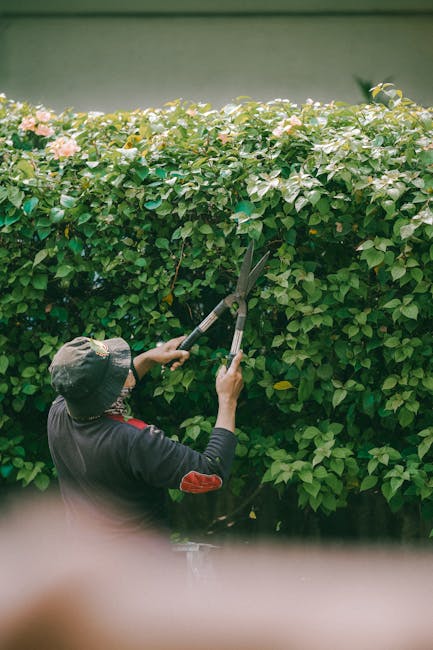
For hedges, the process usually includes trimming, shaping, and clearing away cuttings. Some hedges need light, frequent trimming to stay neat. Others benefit from more careful seasonal shaping so they keep their structure. For lawns, the service often includes mowing, edging, removing debris, checking for patchy areas, and sometimes advising on feed, scarifying, or re-seeding if the grass looks tired.
If you want a deeper dive into the lawn side of things, a dedicated lawn care service or a one-off seasonal tidy can be a useful next step. For more involved outside work, especially if the garden has become a bit of a jungle, some people also look at garden clearance before moving into routine maintenance. That is often the smarter order, to be fair.
Good gardeners also work around real-world constraints: narrow access, neighbour boundaries, weather windows, noise, and disposal of green waste. In London, those practical details often matter more than the brochure language. A clean, careful job beats a rushed one every time.
Key Benefits and Practical Advantages
There are several clear benefits to hiring local hedge and lawn gardeners near ArtsDepot, and most of them are immediately visible after the first visit. Others build up quietly over time, which is where the real value often lies.
- Cleaner kerb appeal: tidy hedges and a well-cut lawn make a property look looked after straight away.
- Healthier plant growth: regular trimming and mowing can prevent rough, stressed, or woody growth patterns.
- Less weekend labour: you reclaim your own time, which, let's face it, is part of the appeal.
- Better light and space: properly managed hedges stop gardens feeling boxed in.
- Reduced risk of problems: overgrowth can hide weeds, pests, boundary issues, or damaged lawn areas.
- Seasonal consistency: a maintained garden does not swing from pristine to chaotic every few weeks.
There is also a small but real lifestyle benefit. A neat lawn changes how a space feels underfoot and under eye. You can open the back door on a wet Tuesday morning and not immediately feel that little sigh of defeat. The garden feels ready, even if nothing dramatic has happened.
For some households, the benefit is practical convenience. For others, it is presentation before a sale or letting. And for many, it is simply peace of mind. A good garden quietly takes one task off your list.
Who This Is For and When It Makes Sense
This kind of service is useful for a wider range of people than you might think. It is not only for large gardens or ambitious landscaping projects. In North Finchley N12, plenty of smaller spaces need regular, sensible care rather than grand redesigns.
You may benefit from hedge and lawn gardeners near ArtsDepot if you are:
- a homeowner who wants the garden to stay tidy without spending every Saturday on it
- a landlord or letting agent needing a reliable exterior standard between tenancies
- an older resident who prefers dependable help with physically demanding tasks
- a busy family juggling school runs, work, and the garden falling behind
- a flat or maisonette owner with a shared or front-facing patch that still needs care
- someone preparing a property for sale, photos, or new tenants
It also makes sense when the garden has crossed a line. You know the moment: the hedge is no longer "a bit untidy", it is physically swallowing the path. Or the lawn no longer reads as lawn, just greenish texture. In those cases, a well-planned service is usually more efficient than trying to catch up alone on a single weekend.
If you are unsure whether you need a one-off tidy or regular maintenance, think about the last three months. Has growth kept outpacing your own time? Are the edges drifting every week? Is the hedge now shading the lawn? If the answer is yes, regular help is probably the better fit.
Step-by-Step Guidance
If you want to get the best outcome from a local gardener, a simple process helps. Nothing fancy. Just a clear sequence that avoids confusion and saves time.
- Walk the garden first. Look at the hedge line, lawn condition, access points, and any awkward areas.
- Decide what actually needs doing. Is it trimming, shaping, mowing, edging, weed control, or a full tidy-up?
- Check seasonal timing. Some hedge work is fine year-round, but nesting birds, new growth, and very dry weather can affect timing and method.
- Agree the finish you want. Crisp formal lines are different from a softer, more natural shape.
- Plan waste removal. Green waste adds up fast; know whether it is included or needs separate handling.
- Book a sensible cadence. Weekly, fortnightly, monthly, or seasonal visits all have different purposes.
- Review after the first visit. Did the hedge look balanced? Was the lawn cut at the right length? Did the edges improve the whole space?
A good first appointment often starts with a small amount of back-and-forth. That is normal. In fact, it is usually a good sign. If the gardener asks about hedge species, sunlight, drainage, and how you use the garden, they are thinking ahead instead of just chasing the nearest visible leaf.
As a practical matter, lawns often respond best to consistent mowing rather than dramatic cuts. If the grass has got too long, it is usually better to reduce it gradually over a couple of visits rather than taking everything off in one go. The same idea applies to hedges that have been neglected for a while. Slow and steady usually wins.
Expert Tips for Better Results
There are a few simple habits that make a noticeable difference, especially in London gardens where conditions can shift quickly from wet to dry and back again.
Choose the right cut height for the lawn
Grass that is cut too short can struggle in dry spells and become patchy. Grass that is left too long can look messy and flatten badly after rain. The sweet spot depends on the season, shade, and grass type, but the general principle is simple: avoid extremes.
Trim hedges before they become a problem
Once a hedge has grown too far out or too high, it often takes more work to bring it back neatly. Regular light trimming is easier on the plant and on your budget. It also keeps paths, driveways, and front gardens feeling open.
Edge the lawn properly
A lawn with sharp edges always looks better, even if the grass itself is only moderately tidy. This is one of those small details that changes the whole look. It sounds minor. It really isn't.
Watch for shade and drainage issues
If one side of the garden is always damp or shaded by a hedge, the lawn may thin out there. In that case, cutting alone will not solve the problem. You may need to adjust hedge shape, improve airflow, or consider patch repair in the weaker area.
Keep clippings under control
Clippings left in thick layers can smother grass or make paths slippery. They can also create that slightly sour green smell after rain. Not pleasant. A tidy clear-up is part of the job, not an extra flourish.
If you are managing a garden over the seasons, a maintenance schedule can help. Some people prefer regular visits; others want heavier work in spring and late summer. Either can work, as long as the plan matches the garden rather than some idealised schedule that looks neat on paper but not in real life.
Common Mistakes to Avoid
Many garden headaches come from very ordinary mistakes. The good news is that most are easy to avoid once you know what to look for.
- Cutting too much at once: especially with hedges, this can leave bare patches or stressed growth.
- Ignoring lawn edges: a decent mow without edging can still look unfinished.
- Letting grass get scalped: very short cuts may look tidy briefly but often cause stress.
- Forgetting seasonal timing: some hedge work is better planned around growth patterns and local conditions.
- Assuming one visit fixes everything: neglected gardens usually need a staged plan, not a miracle.
- Skipping cleanup: leaving debris behind undermines the whole result.
One of the most common problems is simply asking for "a quick tidy" when the garden actually needs more structure. That can lead to rushed results and frustration on both sides. Better to be honest upfront. If the hedge is dense, if the lawn is patchy, if the border is messy, say so. A decent gardener would rather know what they are walking into.
Another easy trap is over-pruning a hedge because it looks wild. Sometimes the plant just needed shaping, not a severe haircut. Gardening has its drama, but less is often more. A bit like seasoning food, really.
Tools, Resources and Recommendations
The right equipment makes a garden service safer, neater, and less disruptive. While homeowners do not need to own everything themselves, it helps to understand what good practice looks like.
- Hedge trimmers: useful for shaping and maintaining hedge lines cleanly.
- Lawn mowers: sized appropriately to the garden, not just whatever is in the shed.
- Edging tools: for crisp borders along paths, beds, and borders.
- Rakes and blowers: for collecting debris and cuttings without leaving residue.
- Waste bags or collection arrangements: important if the work generates a lot of green waste.
If you are comparing service options, it can also help to understand how the business handles different garden tasks together. For example, pairing hedge work with shrub pruning or weed control may save time and create a more joined-up result. Likewise, if you are trying to reset a garden after a long gap, grass cutting can be part of a broader tidy-up rather than a standalone visit.
For some properties, it is also worth considering whether the garden needs a bit of seasonal rejuvenation. A routine trim is one thing; reviving tired ground, uneven growth, or neglected borders is another. The best gardeners usually explain that difference plainly, which is refreshing, honestly.
Law, Compliance, Standards, or Best Practice
Garden maintenance in the UK is not the same as heavily regulated construction work, but there are still sensible standards and legal considerations to keep in mind. A careful gardener will usually work with these in mind rather than treating them as afterthoughts.
For example, hedge work should be planned with care during bird nesting season. If nesting birds are present, work may need to pause or be adjusted. That is not just a polite preference; it is a practical and ethical issue. A responsible gardener will check the hedge before cutting if there is any reason to do so.
Noise, access, and waste handling also matter in residential areas. In a busy neighbourhood like North Finchley, it is good practice to minimise disruption, manage cuttings cleanly, and avoid blocking shared paths or entrances. If a property has communal access, that becomes even more important.
Best practice also includes using equipment safely, working to a tidy finish, and not damaging lawns, paving, fencing, or neighbouring plantings. If a hedge sits on or near a boundary, clarity about the work area matters. That may sound obvious, but it saves awkward conversations later.
On the lawn side, good practice usually means cutting at a sensible height, not removing too much growth at once, and avoiding work when the ground is so wet that it compacts or ruts easily. If the soil feels soft underfoot and water sits on the surface, it may be better to wait a little rather than force the issue.
In short: care, timing, and communication. That combination keeps things straightforward and avoids the sort of preventable mistakes that make gardens look rougher than they should.
Options, Methods, or Comparison Table
People often compare gardening help in terms of price alone, but that misses a lot. The better question is: what kind of result do you want, and how often do you need it?
| Option | Best For | Typical Strengths | Watch Outs |
|---|---|---|---|
| One-off hedge and lawn tidy | Overgrown gardens, pre-sale prep, end-of-lease refresh | Fast reset, visible improvement, useful after neglect | May not keep the garden in shape for long without follow-up |
| Regular maintenance visits | Homes, rentals, shared spaces, busy families | Consistent appearance, easier upkeep, healthier growth patterns | Requires a schedule and ongoing commitment |
| Seasonal intensive care | Gardens that change sharply through spring and late summer | Good for shaping, recovery, and problem areas | Can leave gaps between visits if the garden grows quickly |
| Full garden maintenance package | People wanting one team to handle most routine tasks | Convenient, joined-up, less hassle | May include tasks you do not actually need every visit |
In many cases, the best option is not the most comprehensive one. It is the one that matches growth rate, garden size, access, and how much time you want to spend thinking about it. That sounds simple, but it is where people often overbuy or underbuy.
Case Study or Real-World Example
Here is a realistic local-style example. A small front and back garden near ArtsDepot had a hedge that had grown unevenly after a missed season or two. The front lawn was still green, but it looked tired at the edges and had started to thin in the shadier side. Nothing dramatic, just a bit neglected. The sort of place where visitors might not say anything, but you would feel it every time you stepped outside.
The first visit focused on restoring shape rather than trying to perfect everything at once. The hedge was reduced carefully, with the outer line brought back in and the top levelled. The lawn was cut at a sensible height, edges were sharpened, and clippings were cleared properly. No magic. Just steady work.
On the follow-up visit a few weeks later, the garden already looked easier to maintain. The hedge had settled into a cleaner outline, the lawn was responding better to regular cutting, and the whole space felt more intentional. A neighbour walking past might simply think, "That looks nice again." And that is usually the point.
The lesson is straightforward: gardens near busy local landmarks and residential streets often benefit most from a reset plus a maintenance plan. One job handles the visible mess. The next few keep it from coming back. That combination is where the value usually is.
Practical Checklist
Use this before booking or after a first visit. It keeps the conversation clear and saves a bit of faff later.
- Check whether you need hedge trimming, lawn mowing, or a broader garden tidy.
- Note any areas with poor access, narrow gates, or shared paths.
- Look for signs of lawn stress, moss, patchiness, or drainage problems.
- Decide whether you want a formal finish or a softer natural shape.
- Ask how clippings and green waste will be handled.
- Consider whether the garden needs one-off work or a regular schedule.
- Confirm how the gardener approaches boundary lines and neighbour-facing hedges.
- Think about seasonality, especially after long dry spells or periods of rapid growth.
- Review whether shrubs, weeds, or borders should be included too.
- Make sure the final result matches how you actually use the space, not just how it looks in a single photo.
Quick takeaway: if the hedge is blocking light and the lawn is becoming harder to keep tidy, do not wait for the whole garden to become a project. Small, regular care is far easier to live with.
Get a free quote today and see how much you can save.
Conclusion
North Finchley N12 hedge and lawn gardeners near ArtsDepot are most valuable when they make outdoor life simpler. A tidy hedge, a healthy lawn, and a clean finish around the edges can change the whole feel of a property without turning it into a full landscaping drama. The best results usually come from practical timing, clear expectations, and regular care that fits the garden rather than fighting it.
If you are weighing up your next step, start with the basics: what needs cutting, what needs shaping, and what needs a bit more attention than you first thought. That small bit of planning makes the service better, the result cleaner, and the upkeep easier. And once the garden is back in rhythm, you tend to notice it less in the best possible way. It just works. Quietly, which is nice.
That calmer, well-kept feeling outside the door can make a bigger difference than people expect. Sometimes a garden does not need reinventing. It just needs someone steady who knows how to care for it properly.
Frequently Asked Questions
What services do hedge and lawn gardeners near ArtsDepot usually provide?
They usually handle hedge trimming, lawn mowing, edging, light tidy-ups, debris removal, and sometimes seasonal maintenance. Some also offer shrub care, weed control, and larger garden clearances if the space needs more than a basic cut.
How often should a hedge be trimmed in North Finchley?
It depends on the hedge type and how fast it grows, but many hedges benefit from regular light trimming rather than occasional heavy cuts. Faster-growing hedges often need attention more than once during the growing season.
How often should a lawn be cut?
That depends on growth speed, weather, shade, and how used the lawn is. In active growing periods, weekly or fortnightly mowing is common. In slower periods, less frequent cuts may be enough. The main thing is consistency.
Can I book a one-off visit instead of regular maintenance?
Yes. One-off visits are often used for overgrown gardens, pre-sale preparation, or a seasonal reset. If the garden grows quickly or you want a consistently neat look, regular maintenance is usually the better fit.
What should I ask before hiring a local gardener?
Ask what is included, how green waste is handled, whether the price covers labour and materials, and how they approach hedges, lawns, and access issues. It is also worth asking whether they recommend one-off or ongoing visits.
Do hedge and lawn gardeners work in small gardens as well as larger ones?
Yes, absolutely. Small gardens often benefit a lot from professional care because every edge and corner is visible. In compact North Finchley spaces, neat finishing can make the whole area feel much more open.
What happens if my hedge is very overgrown?
A good gardener will usually assess it first and then reduce it carefully rather than taking too much off in one go. Very overgrown hedges often need staged work to avoid stressing the plant or leaving bare, awkward patches.
Will the gardener remove all the clippings?
Often yes, but you should confirm it in advance. Some services include waste removal and some do not. It is one of those practical details that can easily be overlooked if you do not ask.
Is it better to combine hedge work and lawn care in one visit?
Usually, yes. Combining them can make the whole garden look better in one go and can be more efficient than spreading the work out. It is especially useful if the hedge is shedding cuttings onto the lawn.
How do I know whether my lawn needs more than mowing?
If the grass is thin, patchy, mossy, or struggling in one area, mowing alone will not solve everything. It may need feeding, scarifying, re-seeding, or help with shade and drainage. A proper assessment makes a big difference here.
Are there any special considerations near ArtsDepot or busy residential streets?
Yes. Access, noise, neighbour boundaries, and waste handling all matter more when gardens are close together or traffic is nearby. A careful, tidy approach keeps disruption down and helps everyone get along a bit better.
How far in advance should I book garden maintenance?
It depends on the season and how busy the local schedule is. In spring and early summer, it is sensible to book ahead if you want a specific date. If the garden is badly overgrown, mention that clearly so it can be planned properly.
What is the biggest mistake people make with hedge and lawn care?
Waiting too long. A hedge left unchecked and a lawn left too long both become harder to manage, more expensive to fix, and less satisfying to live with. Small, regular care is almost always easier than big rescue jobs.