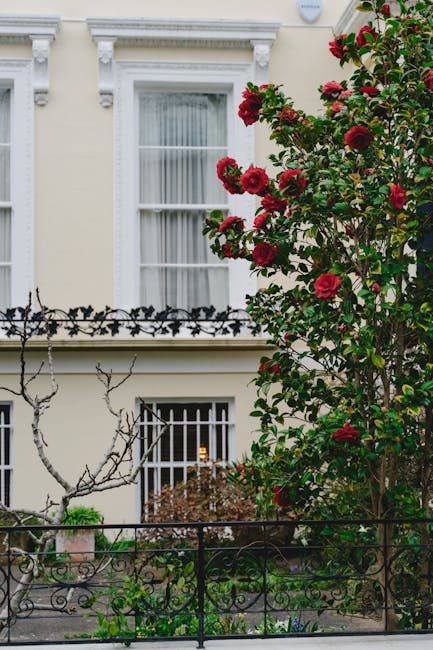
Finchley gardeners for Ballards Lane front garden makeovers
If your front garden on or near Ballards Lane is looking tired, cramped, or just a bit forgotten, you are not alone. Front spaces in Finchley often have to do a lot of work: they frame the house, store bins or bikes, soften paving, and somehow still need to look welcoming on a wet Tuesday morning. That is where Finchley gardeners for Ballards Lane front garden makeovers can make a real difference.
A good front garden makeover is not only about making things look neat. It is about improving kerb appeal, fixing practical problems, and creating a frontage that suits the house, the street, and the way you actually live. Done well, it feels calm and tidy without looking overdone. Truth be told, that balance is what most people want.
In this guide, you will find a clear explanation of what front garden makeover work usually involves, how local gardeners approach it, what to expect from the process, and how to avoid the mistakes that lead to patchy results. If you are comparing services, planning a refresh, or simply trying to make sense of the options, this should help.
Table of Contents
- Why Finchley gardeners for Ballards Lane front garden makeovers matters
- How Finchley gardeners for Ballards Lane front garden makeovers works
- Key benefits and practical advantages
- Who this is for and when it makes sense
- Step-by-step guidance
- Expert tips for better results
- Common mistakes to avoid
- Tools, resources and recommendations
- Law, compliance, standards, or best practice
- Options, methods, or comparison table
- Case study or real-world example
- Practical checklist
- Conclusion
- Frequently asked questions
Why Finchley gardeners for Ballards Lane front garden makeovers Matters
Front gardens are judged quickly. People notice them from the pavement, from a car, or even while walking the dog with half an eye on their phone. A front space that looks balanced, tidy, and well planned can make a whole property feel more cared for. A neglected one does the opposite, even if the inside of the house is immaculate.
For Ballards Lane in particular, front gardens often need to work in tighter urban conditions. You may have limited depth, a hard-standing driveway, mature hedging, street visibility, or awkward levels. Some homes need a simple low-maintenance refresh. Others need a full rethink with planting, drainage, edging, and better access. In either case, local experience matters.
Experienced Finchley gardeners understand the sort of conditions that show up in North London front gardens: compact soil, foot traffic, seasonal shade, pressure from parked cars, and the need to keep things neat without making the place feel sterile. A front garden makeover is not just planting a few shrubs and hoping for the best. It is part design, part practical landscaping, and part long-term maintenance planning.
There is also a subtle point people often miss. The front garden shapes the day-to-day feel of home life. You see it when you leave, when you come back, and when deliveries arrive. It sets the tone. A small improvement there can lift the whole property in a way that feels surprisingly satisfying. Little things, done well.
How Finchley gardeners for Ballards Lane front garden makeovers Works
Most front garden makeover projects follow a simple pattern, even if the details vary. A good gardener or garden team will begin by looking at the space in context: the house style, the street scene, sunlight, drainage, access, and how you want to use the area. That first walk-through is where the real decisions start.
From there, the work usually falls into a few layers:
- Assessment: checking what is already there, what works, and what needs removing or retaining.
- Planning: deciding on layout, planting style, surfaces, borders, and practical needs such as bin storage or access.
- Preparation: clearing old growth, lifting tired turf, resetting edges, dealing with soil condition, and making space for new features.
- Installation: adding planting, edging, gravel, paving, containers, lighting, or other agreed elements.
- Finishing: shaping, mulching, tidying, and checking the space from the street as well as from the doorway.
It sounds straightforward. Sometimes it is. But the best makeovers are not rushed, because front gardens are unforgiving if the proportions are off. A shrub too big, a path too narrow, or a border packed with thirsty plants can make the whole thing feel awkward within a season or two.
If you are already thinking about wider garden improvements, it can help to look at a broader garden design and layout service so the front garden does not feel disconnected from the rest of the property. A coherent front-and-back flow often makes the whole home feel more settled.
Key Benefits and Practical Advantages
A front garden makeover does more than improve appearances. The practical gains can be just as important as the visual ones. To be fair, this is often where the real value sits.
- Better kerb appeal: a tidy, coordinated frontage makes the house feel more inviting and cared for.
- Less maintenance stress: good plant choice and sensible layout reduce the time spent constantly tidying.
- Improved access: clear paths, usable steps, and practical surfaces make daily movement easier.
- Smarter use of small space: compact front gardens can still feel generous with the right structure.
- Seasonal interest: thoughtful planting gives colour and texture throughout the year, not just in summer.
- Better drainage and tidiness: replacing compacted soil or poor borders can reduce mess after rain.
- More privacy or screening: lower walls, shrubs, and hedging can soften views from the street without making the frontage closed off.
There is a quieter benefit too: a front garden that behaves itself. No muddy patch where people cut across, no plants collapsing into the path, no constant battle with weeds. You know the sort of thing. The little annoyances that add up.
For homeowners comparing garden services, it can also be useful to look at related support such as hedge trimming in Finchley, especially if the front garden makeover includes boundary shaping or screening. Clean lines at the edges often make the biggest difference from the street.
Who This Is For and When It Makes Sense
Front garden makeover work is not only for people with large budgets or dramatic design ambitions. In fact, many of the best results come from modest changes applied with good judgement. If your frontage feels tired, cluttered, or underused, it may be time.
This kind of project makes sense if you are:
- preparing a property for sale or letting and want it to look more welcoming
- tired of high-maintenance planting that never quite settles
- dealing with a front garden that is mostly hard-standing but still looks unfinished
- trying to improve access for prams, wheelchairs, bikes, or everyday movement
- wanting more structure, cleaner edges, or better seasonal planting
- living in a street where first impressions genuinely matter
It is also a smart move if you have inherited a garden that was shaped by previous owners and no longer fits your needs. Gardens change with how people use them. What worked ten years ago might now be all wrong.
And if you are wondering whether a small front garden is "worth it," the answer is usually yes. Small spaces often benefit most from professional help because every square metre has to earn its keep.
Step-by-Step Guidance
Here is a practical way to think about a front garden makeover. The steps are not glamorous, but they are what make the difference between a pretty picture and a space that works day after day.
1. Start with a proper site assessment
Look at sunlight, soil condition, drainage, existing roots, wall lines, and how people move through the space. A decent gardener will also notice where water gathers after rain, which side of the frontage feels exposed, and which plants are already struggling.
2. Decide the main purpose of the space
Ask what matters most. Do you want easy maintenance, more privacy, a polished entrance, a better path, or a softer planted look? If you try to force every function into a tiny front garden, it can become cluttered very quickly.
3. Choose a simple layout first
Before thinking about individual plants, get the structure right. Paths, steps, edging, boundary treatment, and bin or bike position should all be clear. This is the bit people skip, then regret later. A garden with good bones almost always looks better.
4. Build around practical plant choices
In North London front gardens, plants need to cope with variable weather, occasional shade, and a bit of neglect now and then. Lower-maintenance shrubs, evergreen structure, and seasonal planting around them often work well. A mix of texture is usually better than a crowded mix of colours.
5. Add finishing details
Mulch, gravel, edging, simple lighting, clean paving joints, and fresh soil can make a surprisingly big difference. Small finishing touches make the whole thing feel deliberate rather than patchy.
6. Plan ongoing maintenance
Even a low-maintenance frontage needs some care. The aim is not zero effort; it is sensible effort. A light monthly tidy-up is better than one heroic scramble every six months. Nobody enjoys that, really.
If the project includes larger structural changes or drainage issues, it may also help to read up on regular garden maintenance in Finchley so you can plan the upkeep from day one rather than treating it as an afterthought.
Expert Tips for Better Results
Good front garden makeovers usually come down to restraint. That may sound unexciting, but restraint is often what creates the most polished result.
- Keep the palette controlled: two or three planting themes usually look calmer than lots of competing ideas.
- Use structure before ornament: hedges, edging, and repeating shapes help small spaces feel organised.
- Think from the pavement: a design can look lovely from the door and still feel messy from the road.
- Leave room for growth: plants nearly always get larger than people expect. Nearly always.
- Choose durable materials: front gardens take more wear than many back gardens because they are seen and used constantly.
- Match the house style: a Victorian terrace, a 1930s semi, and a modern build usually benefit from different forms and proportions.
A small real-world observation: some of the best front gardens on Ballards Lane and nearby streets are not the flashiest. They simply look in proportion. One neat run of planting, one clean path, one obvious entrance. That is often enough.
It is also smart to get advice on planting that suits local conditions. If you are unsure, a gardener familiar with planting design and seasonal bedding can help you avoid expensive trial and error.
Common Mistakes to Avoid
Front garden makeovers go wrong in predictable ways. The good news is that most of them are avoidable if you spot the warning signs early.
- Overplanting: too many plants in a small area makes maintenance harder and blurs the shape of the garden.
- Ignoring drainage: if water pools near paths or planting beds, problems tend to come back after every heavy rain.
- Choosing plants for the wrong spot: a sunny-border plant in shade will not magically change its mind.
- Making paths too narrow: it is a nuisance now and a bigger nuisance later, especially with bags, prams, or shopping.
- Using too many materials: paving, gravel, sleepers, and decorative pieces can start fighting for attention.
- Forgetting maintenance access: if you cannot reach the back of a border or get around a shrub, the design has a weak point.
Another common mistake is trying to solve every issue at once. Sometimes the most sensible first phase is simply cleaning up the structure, improving the borders, and getting the proportions right. You can always add more later. In fact, that is often the wiser route.
Tools, Resources and Recommendations
Not every front garden makeover requires specialist kit on the homeowner side, but it helps to understand what a professional gardener may use and why.
| Tool or resource | What it helps with | Why it matters in a front garden makeover |
|---|---|---|
| Soil improvers and mulch | Feeding tired borders and improving moisture retention | Helps plants establish and reduces weeds |
| Edging tools | Creating crisp lines between lawn, paving, and beds | Sharp edges make a small frontage look more finished |
| Hand trowels and spades | Planting, lifting, and detailed border work | Useful for precise work in compact spaces |
| Pruning tools | Shaping shrubs, removing dead wood, and keeping plants compact | Helps maintain structure without letting growth sprawl |
| Design sketches or mood boards | Clarifying layout, style, and planting ideas | Reduces misunderstanding before work starts |
| Maintenance schedule | Planning seasonal tidy-ups and pruning | Prevents the garden slipping back into neglect |
For homeowners who like a joined-up approach, it is often worth combining frontage work with driveway and garden border improvements. The transition between hard and soft landscaping can make or break the whole look.
Also, if you are comparing service scope, ask whether the gardener provides ongoing upkeep, planting advice, or a one-off makeover. Those are not the same thing, and it is better to know early.
Law, Compliance, Standards, or Best Practice
Front garden work is usually straightforward, but there are still a few things to consider carefully. In London, street-facing gardens can be affected by access, boundaries, drainage, and local planning considerations depending on what you want to change.
For example, if you are thinking about new walls, gates, major hard landscaping, or changes that alter levels or drainage, it is sensible to check whether any permissions or local constraints apply. The exact position depends on the property, the work, and the local authority guidance. Do not guess. A quick check can save a headache later.
It is also best practice to:
- avoid blocking drainage routes or creating run-off problems
- keep clear access to the front door and emergency entry points
- consider visibility if planting near driveways or entrances
- use materials suited to outdoor exposure and regular use
- confirm boundary ownership before altering fences, walls, or shared edges
If the job involves tree work, hedge height, or anything close to a neighbour's boundary, sensible communication is worth a lot. A simple conversation is often better than a formal dispute. Let's face it, nobody wants a front garden project to become a neighbourly saga.
When in doubt, a reputable local gardener will explain what is routine, what may need checking, and what should be left alone until you have the facts.
Options, Methods, or Comparison Table
There is no single right way to improve a front garden. The best method depends on budget, how much maintenance you want, and how bold you want the final look to be. Here is a practical comparison.
| Approach | Best for | Advantages | Trade-offs |
|---|---|---|---|
| Light refresh | Gardens that are basically functional but a bit tired | Quick, cost-conscious, minimal disruption | Limited transformation if the layout is poor |
| Planting-led makeover | Frontages needing softness, structure, and seasonal interest | Big visual improvement without full reconstruction | Requires good plant choice and some upkeep |
| Hard landscaping upgrade | Spaces with broken paths, poor access, or drainage issues | Solves practical problems and improves durability | More involved and may need more planning |
| Low-maintenance redesign | Busy households and rental or sale prep | Easier to manage long term | Can feel sparse if not designed carefully |
A lot of Finchley homeowners end up choosing a blended approach: a cleaner layout, some hard-wearing structure, and a planting scheme that does not demand constant attention. That is usually the sweet spot.
Case Study or Real-World Example
Picture a typical Ballards Lane frontage: compact space, a short path to the door, a tired bed at one side, and a patchwork of plants that looked good once upon a time but now feel a bit all over the place. The owners want the front to feel brighter and easier to maintain, not turned into a show garden.
A sensible makeover might start with clearing dead growth, reshaping the border, and checking where water collects after rain. The path could be re-edged for a cleaner line. A couple of overlarge shrubs might be removed or reduced. Then the gardener introduces a smaller, more coherent planting scheme with evergreen structure, a few seasonal highlights, and mulch to keep weeds down.
The result is not dramatic in a flashy sense. It is better than that. The house looks tidier from the street, the entrance feels more open, and the owners stop fighting the same old maintenance problems every few weeks. That is the kind of change people notice immediately, even if they cannot always say why.
One customer-type scenario I hear a lot is this: "We thought the garden needed a full rebuild, but actually it needed a clearer shape and better planting." Very often, that is true. A good local gardener knows when to build more and when to simply refine what is already there.
Practical Checklist
Use this checklist before starting your front garden project. It keeps the decision-making simple.
- Have I identified the main purpose of the space?
- Do I want low maintenance, better kerb appeal, improved access, or all three?
- Have I looked at sun, shade, drainage, and existing soil condition?
- Is the layout working, or does it need a reset?
- Have I thought about the view from the pavement as well as from the doorway?
- Are my chosen plants suitable for the conditions and the amount of care I can provide?
- Do I need edging, stepping stones, gravel, or path improvements?
- Have I checked for any boundary, access, or planning issues that could affect the work?
- Do I have a realistic maintenance plan for the first year after the makeover?
- Have I chosen a local gardener or team who understands Finchley front gardens?
Expert summary: the best front garden makeover is usually the one that looks calm, fits the house, and is easy to keep that way. If the design is doing too much, it will tire quickly. If it is too sparse, it can feel unfinished. Aim for balance, and the space will reward you for years.
Conclusion
Front garden makeovers are one of those projects that sound small at first, then turn out to change the whole feel of a home. With the right Finchley gardeners for Ballards Lane front garden makeovers, you can turn a tired frontage into something tidy, welcoming, and genuinely practical.
The real skill is not simply adding more. It is knowing what to keep, what to simplify, and what will hold up well once the weather, foot traffic, and weekly routines start doing their usual thing. That is where local judgement matters, and why good advice is worth listening to.
If you take one thing from this guide, let it be this: start with the purpose, not the plants. Get the structure right, and everything else becomes much easier. And honestly, that small bit of clarity can save a lot of effort later.
Get a free quote today and see how much you can save.
When a front garden finally feels right, the whole house seems to stand a little taller. Nice feeling, that.
Frequently Asked Questions
What do Finchley gardeners for Ballards Lane front garden makeovers usually include?
They often include site assessment, border redesign, planting, edging, pruning, path tidying, soil improvement, and sometimes light hard landscaping. The exact scope depends on the condition of the front garden and what you want it to achieve.
How long does a front garden makeover usually take?
It depends on the size of the space and the amount of preparation needed. A simple refresh may be completed fairly quickly, while more involved work with drainage, hard landscaping, or new planting plans can take longer. The planning stage is often just as important as the physical work.
Is a front garden makeover worth it for a small property?
Yes, often more so than people expect. Small front gardens can have a big visual impact because they are seen every day from the street. With the right layout and plant choices, even a small space can feel much more finished and welcoming.
What makes a front garden low maintenance?
Low-maintenance fronts usually rely on structure, tough planting, sensible spacing, and simple materials. The aim is to reduce constant deadheading, trimming, and weeding. There will still be some upkeep, but it should feel manageable rather than endless.
Do I need planning permission for front garden changes?
Not always. Many routine gardening jobs do not require permission, but more structural changes, new walls, major hard landscaping, or alterations that affect drainage or access may need checking. If there is any doubt, it is wise to confirm the position before starting.
Can a front garden makeover improve kerb appeal quickly?
Yes. Even relatively small changes such as sharper edges, a cleaned-up path, better planting, and a tidier entrance can lift the appearance of a house straight away. The effect is often stronger than people expect.
What plants work well in North London front gardens?
That depends on light, soil, and how much maintenance you want to do. In many Finchley gardens, evergreen structure and reliable shrubs work well, supported by seasonal planting for colour. A local gardener should be able to recommend plants suited to the specific conditions.
How much input should I give before the work starts?
As much as needed to explain your priorities. It helps to share what you want the garden to do, how much maintenance you can realistically manage, and any preferences for style, privacy, or access. A clear brief usually leads to a better result.
What should I ask a gardener before hiring them?
Ask what is included, what materials are recommended, how they handle drainage or access issues, what maintenance will be needed afterwards, and whether they have experience with similar front gardens in Finchley. Clear answers are a good sign.
Can a front garden makeover include both planting and paving?
Yes, and often that combination works best. Planting softens the space, while paving or edging provides structure and durability. The key is balance, so the front garden feels intentional rather than crowded with materials.
How do I keep the new look from going messy again?
Plan for maintenance from the start. A simple schedule for pruning, weeding, feeding, and seasonal tidy-ups will help a great deal. It is much easier to maintain a well-designed front garden than to rescue an untidy one later.
What is the biggest mistake people make with front garden makeovers?
The biggest mistake is usually trying to do too much in too little space. Overly busy layouts, too many plant types, or complicated materials can make a frontage feel smaller and harder to care for. A simpler, well-judged design nearly always ages better.