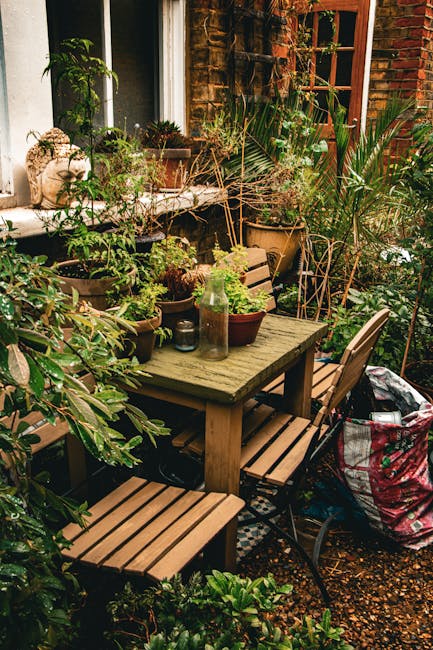
Finchley gardeners access problems for tight terrace gardens
Tight terrace gardens can be wonderful spaces, but they also come with a very specific headache: getting a gardener, tools, plants, and waste in and out without making the whole thing feel like a wrestling match. Finchley gardeners access problems for tight terrace gardens are usually less about the garden itself and more about how people, equipment, and materials move through narrow side passages, shared entrances, split-level layouts, or awkward back access. If that sounds familiar, you are in the right place.
This guide breaks down what access issues really mean in day-to-day gardening work, why they matter, and how to plan around them sensibly. It also covers the practical choices that make a small terrace garden easier to maintain over time, rather than a place that turns into a once-a-year emergency. A few smart adjustments can save a lot of bother, honestly.
Whether you are dealing with a courtyard behind a Victorian terrace, a narrow passage beside the house, or a tiny rear space with no direct vehicle access, the main goal is the same: make the garden workable. Not perfect. Workable.
Expert summary: In tight terrace gardens, the best results usually come from planning access first, then choosing maintenance methods that suit the space. If the route in is difficult, the whole job needs to be designed around that fact, not fought against it.
Table of contents
- Why access matters in tight terrace gardens
- How access planning works on a real job
- Key benefits and practical advantages
- Who this is for and when it makes sense
- Step-by-step guidance
- Expert tips for better results
- Common mistakes to avoid
- Tools, resources and recommendations
- Law, compliance, standards and best practice
- Options, methods and comparison
- Case study or real-world example
- Practical checklist
- Conclusion
- Frequently asked questions
Why Finchley gardeners access problems for tight terrace gardens Matters
Access issues change everything. In a wide, open garden, a gardener can move a mower, barrows, compost bags, gravel, pots, and cuttings without much thought. In a terrace garden, every journey can matter. A narrow hallway, a shared path, a steep step, or a back gate that barely opens can slow work down and increase the chance of damage to walls, floors, fences, and planted areas.
That is why Finchley gardeners access problems for tight terrace gardens matter so much: they affect cost, time, safety, finish quality, and even what kind of maintenance is realistic in the first place. If a team has to carry everything by hand through the house, they may need extra protection measures, more careful sequencing, and a different waste plan. If they do not plan for that, the job can become messy very quickly.
There is also a comfort factor. Nobody wants muddy boots tracking through a kitchen at 8:00 on a damp morning, or bags of clippings sitting in the hallway while someone figures out the next move. Small gardens are supposed to feel like a relief, not a logistical puzzle.
In practice, the biggest issues usually include:
- no direct rear access
- narrow side passages
- limited headroom under arches or extensions
- steps, tight corners, and uneven paving
- shared entrances or awkward neighbour boundaries
- restricted space for waste storage or vehicle parking
That is the heart of it. The garden might be tiny, but the access route can be the real challenge.
For readers comparing services more broadly, it can help to review a full services overview and see how different tasks fit together in a compact outdoor space.
How Finchley gardeners access problems for tight terrace gardens Works
When a gardener assesses a tight terrace garden, the first question is rarely about soil or plant choice. It is: how do we get in, work safely, and get out again without creating avoidable disruption? That is the practical logic behind access planning.
The process usually starts with a quick site review. The gardener looks at the route from the street to the garden, the width of any side access, the number of steps, where tools can be staged, and whether waste can be moved out easily. Sometimes the answer is obvious within seconds. Other times you only notice the real pinch points when you try to move a long handle, a mower, or a large bag through the space. It sounds simple until you are carrying three things and the gate catches on the latch. We have all had those moments.
A proper access plan then shapes the method of work. For example, a compact hand-tool approach may be better than bringing in bulky machinery. In some cases, hedge work, pruning, or light clearance can be split into smaller phases so the route is not blocked all day. For more substantial tidy-ups, garden clearance can be organised with waste handling in mind, rather than leaving the removal process as an afterthought.
Typical working patterns in narrow terrace gardens include:
- protecting internal floors, corners, and door frames before tools come through
- breaking jobs into smaller sections so the access route stays usable
- using hand tools or compact equipment where practical
- setting a clear staging area so cuttings and materials do not spread everywhere
- planning waste movement in advance, not once the bins are already full
There is a simple rule here: the less room you have, the more your method matters. A five-minute shortcut can become a fifty-minute problem if someone tries to force the wrong equipment down a passage that is too tight.
Key Benefits and Practical Advantages
Good access planning is not just about avoiding hassle. It creates better gardening outcomes, especially in compact terrace gardens where the margin for error is small.
First, it protects the property. Narrow routes often pass close to painted walls, window sills, railings, and delicate paving. Careful movement reduces scuffs, knocks, and the sort of accidental damage that causes irritation later. Second, it improves efficiency. A route that is mapped out properly means less stopping, less backtracking, and fewer awkward carries.
There is also a quality benefit. When the team can work with confidence, they tend to spend more time on the actual gardening: pruning, shaping, mowing, edging, planting, and finishing. In other words, less effort goes into wrestling the space, and more goes into improving it.
Practical advantages often include:
- faster setup and tidier packing away
- lower risk of damage to surfaces and fixtures
- less disruption for you and your neighbours
- more suitable tool selection for a compact site
- better waste handling and cleaner end results
- more realistic scheduling for repeat maintenance
A smaller garden can actually be easier to keep looking good once access is sorted. That is the nice surprise. The hard part is getting the system right once, then sticking with it.
If you are weighing up ongoing upkeep, the right garden maintenance approach can keep a tight space under control without letting the access issue dictate every visit.
Who This Is For and When It Makes Sense
This topic is especially relevant if your garden is behind a terrace, mews-style property, converted house, maisonette, or a home with a long and narrow rear layout. It is also useful if you manage a rental property and need maintenance to be efficient, predictable, and low-disruption. Truth be told, access problems are one of those things that people often understate until the first visit.
You will probably benefit from this approach if any of the following sound familiar:
- the only access is through the house or a tight side return
- large tools are hard to carry through without bumping walls or doors
- you need regular mowing, pruning, or tidying in a small space
- the garden has become cluttered, making movement even harder
- you want the space to feel calm rather than constantly overworked
It also makes sense when you are planning more than basic tidy-ups. If your terrace garden has overgrown hedges, a tree that needs careful management, or a layout that could be improved, access planning should sit alongside the gardening brief itself. In some cases, hedge trimming or tree lopping and removal may need extra thought because branches and cut material can be awkward to carry out through narrow routes.
Who is it not for? If you have huge open ground and easy vehicle access, the issue is less about access and more about standard garden logistics. Different challenge, same general idea, but not the same pressure.
Step-by-Step Guidance
Below is a sensible, real-world way to handle access problems in a tight terrace garden. It is not fancy. It just works.
- Map the route from street to garden. Measure narrow points, note steps, check gates, and look for anything that swings, sticks, or slopes.
- Identify the heaviest or longest items. Mowers, bags of soil, compost, timber, decking pieces, and waste sacks are the usual troublemakers.
- Protect the path through the property. Floor coverings, corner guards, and careful routing help avoid damage, especially in older homes where door frames are tight.
- Choose tools that match the route. Hand tools, compact machines, and lighter kit often make more sense than forcing in oversized equipment.
- Decide where waste will be staged. If clippings and cuttings have nowhere to go, they quickly clutter the job. A neat exit plan saves time later.
- Work in sequences, not in one big push. Clear one section, remove waste, then move on. In small gardens, order matters more than speed.
- Check the finish before packing away. Narrow spaces can look tidy from the doorway but still hide clipped corners, loose debris, or missed edges.
A useful habit is to ask, before the job begins, "What will be hardest to move?" That one question usually reveals the real bottleneck faster than anything else.
And yes, sometimes the answer is a wheelbarrow that is too wide by about an inch. Ridiculous, but very real.
Expert Tips for Better Results
A few small choices can make a big difference in terrace garden access work. These are the things people in the trade tend to learn the hard way.
1. Keep the route as empty as possible
If a narrow passage is also being used for storage, bikes, bins, or plant pots, clear it before the visit. Every extra item adds friction. Even one awkward planter can turn a clean run into a shuffle.
2. Treat waste handling as part of the job
In a tight space, waste is not just waste. It is a movement problem. Leaves, clippings, soil, broken branches, and old compost all need somewhere to go. A tidy removal process often depends on short, repeated trips rather than trying to carry too much at once.
3. Match the maintenance style to the access route
A terrace garden with poor access may suit lighter, more frequent maintenance rather than heavy seasonal overhauls. That can keep the garden looking fresh without piling up the work. If you want regular help with mowing, edging, and keeping things under control, a focused lawn mowing routine can be part of the solution, provided the route supports it.
4. Use the garden's natural shape
Small gardens often look and feel better when the layout respects the path available. For instance, narrow borders, compact planting, and simple lines are easier to maintain than complicated features that need constant reaching, bending, and moving around.
5. Build in a little buffer time
If access is tight, jobs almost always take longer than they would in an open plot. That is not a failure. It is just reality. Leaving a little room in the schedule avoids rushing the finishing details, and those details matter.
One more thing: if the plan seems complicated on paper, it will probably feel more complicated once you are actually trying to carry a hedge trimmer around a corner with a flowerpot in the way. So keep it simple where you can.
Common Mistakes to Avoid
Most access problems in terrace gardens are made worse by a handful of preventable mistakes. The good news is that once you know them, they are easier to spot.
- Assuming equipment will fit. It is better to measure than to hope.
- Ignoring internal protection. Hallways, tiles, paintwork, and thresholds can all be damaged on the way through.
- Overloading bags or buckets. Heavy loads are awkward in narrow routes and more likely to spill.
- Using the same maintenance method as a large open garden. That often creates unnecessary strain and poor results.
- Leaving waste movement until the end. Piles build up fast in a small space.
- Forgetting about neighbours. Noise, blocked shared access, and stray debris can create tension if not handled carefully.
Another common one: people tidy the visible parts and forget the access route itself. Then the same problem comes back next visit. A narrow garden only stays manageable if the route stays manageable too. Simple enough, but easy to overlook.
Tools, Resources and Recommendations
You do not need specialist kit for every terrace garden, but the right tools make a noticeable difference. Compact, light, and easy-to-carry equipment usually beats bulky gear in small spaces.
Useful items may include:
- lightweight hand shears and secateurs
- compact pruning tools
- small buckets or manageable waste sacks
- floor protection for internal routes
- corner guards or simple padding for awkward turns
- slim or folding barrows where appropriate
- strong gloves with good grip
For larger clear-outs, it is often wiser to line up a job in a way that keeps the access route open rather than trying to use the biggest tool available. If the plot has got away from you, garden clearance can reset things before routine maintenance resumes.
For garden improvement projects, planning also matters if you are considering features that need materials brought through a tight route. A project involving decking, for example, may be perfectly possible, but the delivery and installation plan needs to be realistic from day one. You can explore decking services alongside the access constraints rather than treating them separately.
If you want a broader picture of how different tasks fit together, the services overview page is a practical place to start. It helps set expectations before anyone turns up with tools in hand.
Law, Compliance, Standards and Best Practice
For a private terrace garden, the legal side is usually straightforward, but good practice still matters. If a gardener is working through a home, they should take reasonable care with access routes, protect surfaces where needed, and avoid causing preventable damage or disturbance. That is just sound working practice.
Where the work involves cutting branches, lifting heavy waste, using powered equipment, or handling awkward loads through narrow spaces, safe working methods become even more important. In the UK, that normally means using sensible manual handling practices, checking equipment before use, and thinking about the wellbeing of anyone moving through the site, including residents and neighbours. The exact details depend on the job, but the principle is consistent: do the work carefully, do not rush the awkward bits, and do not assume a cramped route is harmless just because it is small.
Insurance also matters. If a team is entering your property with tools and plant material, you want them to work with proper cover and a clear process for reducing risk. For more detail on how a service provider should approach safety and cover, it can be useful to review their insurance and safety information and their health and safety policy.
There is also a practical accessibility angle. Narrow passages and steps can be difficult not just for tools, but for people with mobility concerns. If the site is especially awkward, it is reasonable to ask how access will be managed in a way that does not create unnecessary strain. For general company values and service standards, the about us page can be helpful.
One final point: if you are ever unsure about what a specific task involves, ask before work starts. A clear conversation upfront is much easier than correcting a rushed decision later. Always.
Options, Methods, or Comparison Table
Different access challenges call for different methods. The right choice depends on how tight the route is, how much waste is involved, and how often the garden needs attention.
| Method | Best for | Pros | Limitations |
|---|---|---|---|
| Hand-tool maintenance | Very tight terrace gardens and delicate access routes | Low risk of damage, flexible, quiet | Can take longer for bigger jobs |
| Compact equipment | Small gardens with a workable but narrow route | Efficient for mowing and light clearance | Still needs careful handling and storage space |
| Phased visits | Overgrown gardens or sites with awkward waste movement | Reduces congestion and fatigue | May need more than one appointment |
| Design-led maintenance | Gardeners wanting a longer-term fix | Makes the garden easier to live with | Needs planning and possibly some upfront changes |
For many Finchley terrace homes, a phased or design-led approach works best. That does not mean doing more than necessary. It means choosing a method that respects the space, rather than pretending the space is bigger than it is.
Case Study or Real-World Example
Picture a classic terrace garden behind a modest London house. The garden itself is only a short run from the back door, but the access includes a narrow hallway, one sharp turn, and a small threshold step. The owners want the space cleared, the hedge reduced, and the lawn kept tidy afterwards. Nothing extreme. Just a sensible reset.
At first glance, the job seems straightforward. But once the team looks at the route, a few things become obvious: a full-size mower would be awkward to carry, hedge cuttings would need to be bagged in smaller loads, and the hallway would need protection from damp shoes and debris. There is also no easy place to stage waste except a tiny strip of paving beside the back door.
So the work is reorganised. The hedge is trimmed in sections, cuttings are removed more frequently, and the garden is finished with hand tools in the tightest corners. The result is not just a neater garden, but a calmer process. No one is squeezed past a pile of branches. No one is dragging a heavy bag through the house. And the customer gets a garden that is manageable going forward, not just one that looks good for the photo moment.
That is the main lesson. Access planning is invisible when it works, which is exactly how it should be.
Practical Checklist
Use this checklist before any work begins in a tight terrace garden:
- Measure the narrowest access points
- Check gate widths, steps, and turning space
- Clear the access route of storage, bikes, or loose items
- Protect floors, walls, and thresholds where needed
- Confirm how waste will be carried out
- Choose tools that realistically fit the route
- Decide whether the job should be split into stages
- Think about neighbour impact, especially for noise and shared access
- Review whether the garden would benefit from routine upkeep after the first visit
- Ask any questions before the work starts, not halfway through
If you tick off most of those points, you are already ahead of the game. That sounds basic, but basic is good when the garden is small and the access is fiddly.
Get a free quote today and see how much you can save.
Conclusion
Finchley gardeners access problems for tight terrace gardens are not really about inconvenience alone. They shape the whole experience of caring for a small outdoor space. Once access is understood properly, the work becomes simpler, cleaner, and more predictable. That is good for the garden, good for the property, and good for everyone who has to live with the result.
The main thing to remember is this: do not treat access as an afterthought. In a terrace garden, it is part of the design. Part of the maintenance. Part of the outcome. Get that right and even a very small space can feel organised, relaxed, and genuinely enjoyable to use. Which, in a busy London home, is no small thing.
And really, that is the goal. A garden that fits your life, not one that keeps making life harder.
Frequently Asked Questions
What are the most common access problems in tight terrace gardens?
The most common problems are narrow side passages, no rear vehicle access, tight internal routes through the house, steps, awkward turning points, and limited space for staging waste or tools. Even a small lip at a doorway can matter more than people expect.
Can a gardener work through the house without causing mess?
Yes, if the route is protected properly and the work is planned around the access path. Floor coverings, tidy tool handling, and smaller waste loads help a lot. It should feel controlled, not chaotic.
Do small terrace gardens need different tools?
Usually, yes. Compact, lightweight tools often make more sense than bulky equipment because they are easier to carry and manoeuvre. The point is not to buy more kit; it is to use the right kit for the route.
Is garden clearance possible in a very narrow terrace garden?
Usually it is, but the waste plan matters. In tight spaces, clearance often needs to be done in stages with smaller, more manageable loads. A clear route in and out is the difference between a tidy job and a frustrating one.
How do I prepare my garden before a gardener arrives?
Move bikes, bins, loose pots, garden furniture, and anything else that blocks the access path. If possible, open gates fully and make sure doorways and corridors are clear. It sounds obvious, but it genuinely saves time.
Will access problems make the job more expensive?
They can, because difficult access often takes longer and may need more careful handling. That said, the exact impact depends on the route, the size of the job, and the type of work involved. A quick assessment is usually the fairest way to judge it.
What is the safest way to remove hedge cuttings from a narrow property?
Smaller bundles are usually safer and easier to manage than large armfuls. Cuttings should be bagged or staged so they do not block the route, and the path should be kept clear as work progresses. No heroics required.
Can tight access affect lawn mowing in terrace gardens?
Yes. If the mower cannot reach easily, the job may need to be done with a smaller machine or alternative methods. In some gardens, hand-finishing the edges and using lighter equipment is the most practical solution.
What should I ask a gardening company before booking?
Ask how they handle narrow access, what equipment they plan to use, how they protect internal routes, and how waste will be removed. Those questions reveal far more than a general price estimate ever will.
Is it better to do one big tidy-up or regular maintenance?
For many tight terrace gardens, regular maintenance is easier to manage than letting everything build up. Smaller, frequent visits usually reduce access strain and keep the garden from becoming overloaded. It is a lot less stressful, too.
What if my garden has shared access with neighbours?
Shared access needs extra care. Communication, timing, and tidy working habits matter because the space is not just yours. A considerate plan helps avoid awkwardness and keeps everyone on speaking terms, which is nice for everybody really.
How do I know if a garden redesign would improve access?
If the same pinch points keep causing problems every time you maintain the garden, a redesign may help. Simpler layouts, better storage placement, and easier routes can make the space much more manageable over the long term.
For company details, service information, and policy pages, you can also review the relevant site pages such as contact us, pricing and quotes, recycling and sustainability, and accessibility statement.