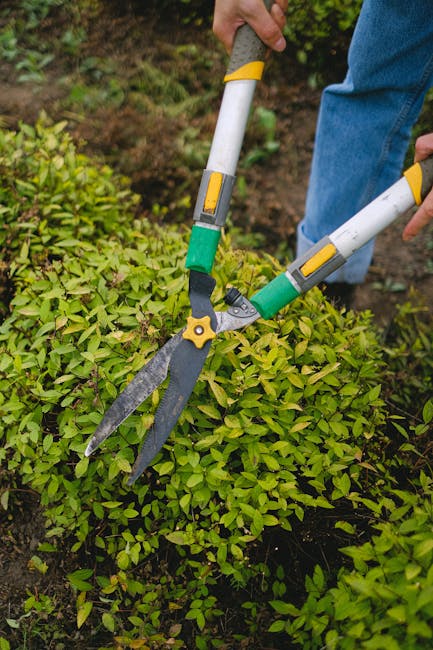
Finchley Central gardeners serving Church End and Station Road
If you live or work around Finchley Central, Church End, or Station Road, you already know the difference a well-kept garden makes. It is not just about looking tidy from the pavement. A good outdoor space feels calmer, easier to use, and far less of a headache to keep on top of. Finchley Central gardeners serving Church End and Station Road can help with that practical, everyday care that stops a garden slipping into the "I'll get round to it next weekend" category. Truth be told, that weekend has a habit of disappearing.
This guide explains what local gardening support usually involves, how the service works, what to expect, and how to choose the right help for your patch of North London. Whether you need regular maintenance, a one-off seasonal reset, or more specialist hedge and border work, the aim is simple: give you clear, useful information so you can make a sensible decision.
For an overview of the wider support available, you can also look at the services overview, or read a little more about the team behind the work on the about us page.
Table of Contents
- Why Finchley Central gardeners serving Church End and Station Road Matters
- How Finchley Central gardeners serving Church End and Station Road Works
- Key Benefits and Practical Advantages
- Who This Is For and When It Makes Sense
- Step-by-Step Guidance
- Expert Tips for Better Results
- Common Mistakes to Avoid
- Tools, Resources and Recommendations
- Law, Compliance, Standards, or Best Practice
- Options, Methods, or Comparison Table
- Case Study or Real-World Example
- Practical Checklist
- Conclusion
- Frequently Asked Questions
Why Finchley Central gardeners serving Church End and Station Road Matters
Local gardening support matters because gardens in built-up parts of London face a different set of pressures from larger suburban plots. Space is often tighter, access can be awkward, and there is less room for a small problem to go unnoticed. A hedge that seems fine in spring can suddenly cast too much shade on a border by midsummer. A lawn can get patchy faster than you expect. And if your front garden faces a busy road, it can lose its shape and neatness quickly.
Church End and Station Road also have their own rhythm. Properties may have front gardens, compact rear spaces, shared boundaries, side returns, and hard landscaping that needs regular attention. The right gardener understands that you are not just asking for "a bit of tidying up." You want the garden to work for the way you live: safe access, manageable upkeep, healthy planting, and a finish that does not look rushed.
There is another reason local knowledge counts. A gardener who regularly works in and around Finchley Central is more likely to understand how shade, wind, street exposure, and mature planting affect results. That sounds small, but it makes a real difference. Some gardens need careful pruning rather than heavy cutting. Some just need a consistent routine so they never become overwhelming. And yes, sometimes the best job is the one that quietly prevents a bigger job later.
How Finchley Central gardeners serving Church End and Station Road Works
In practical terms, local garden maintenance usually starts with a brief conversation about what you need and what your space is like. That may be by phone, by message, or during a site visit. The aim is to understand the scope of work, access, timings, and any concerns such as overgrown hedges, damaged turf, awkward corners, or areas that need a gentler touch.
A typical visit might include a mix of mowing, edging, pruning, hedge trimming, weed control, leaf clearance, and general tidy-up work. For more established gardens, the job can also involve selective reduction, border reshaping, or restoring structure to plants that have gone a bit wild after a wet season. We have all seen that one shrub that has quietly become a small tree.
Good gardening work is usually done in a planned sequence:
- Assess the space and identify priorities.
- Agree what should be done now and what can wait.
- Protect nearby planting, paths, and fixtures.
- Carry out the work using suitable tools and methods.
- Clear waste, check the finish, and leave the area usable.
That final point matters more than many people think. A garden should not just be cut back; it should be left in a usable, balanced condition. For example, a hedge may need light shaping rather than a hard reset. A border may need edging so the lawn and plants stop fighting for the same space. Small things. Big visual payoff.
Key Benefits and Practical Advantages
Hiring Finchley Central gardeners serving Church End and Station Road brings a blend of convenience, consistency, and local insight. Here are the benefits that tend to matter most to homeowners, landlords, and small businesses.
- Less seasonal pressure: Regular maintenance stops jobs building up into a weekend-eating monster.
- Better curb appeal: A neat frontage does a lot for first impressions, especially near busier streets.
- Healthier planting: Careful pruning, deadheading, and feeding support stronger growth over time.
- Safer access: Clear paths, cut-back growth, and proper waste removal reduce trip hazards.
- More usable space: Gardens feel bigger and calmer when borders, lawns, and edges are in balance.
- Local responsiveness: A nearby gardener can usually respond more easily to seasonal needs or urgent tidying.
There is also a mental benefit, which people often underestimate. A garden that looks under control tends to change how you use it. You sit outside longer. You open the window more. You notice the small things again, like new growth after rain or the smell of cut grass on a cool morning. That sounds romantic, maybe. But it is also practical. People use spaces they feel good about.
Expert summary: the best local gardening service is not just about cutting things back. It is about keeping the garden in a state where it is easy to enjoy, easy to maintain, and less likely to create avoidable problems later.
Who This Is For and When It Makes Sense
This kind of service suits more people than you might expect. Some clients want a reliable regular visit. Others only need help at a few key points in the year. The common thread is usually time, consistency, or confidence.
It makes sense if you are:
- a homeowner who wants a tidy, manageable outdoor space without spending every spare Saturday on it;
- a landlord keeping a property presentable between tenancies or inspections;
- a busy professional who values dependable upkeep;
- an older resident who would rather leave the heavier work to someone else;
- a small office or commercial property owner needing exterior neatness without disruption;
- someone with an overgrown or neglected garden that needs a sensible restart.
It also makes sense if you already enjoy gardening but want support with the hard parts. Maybe you are happy with the pots and planting, but not keen on hedge work, waste clearance, or the taller, awkward jobs. That is completely normal. Not everyone wants a ladder in one hand and a hedge trimmer in the other. To be fair, that is probably wise.
Seasonality plays a role too. Spring is often about recovery and growth. Summer brings trimming, watering, and keeping structure. Autumn is about clearing and preparing. Winter may involve shaping, tidy-up work, and planning ahead. A good gardener can adapt to those changing demands rather than applying the same routine all year.
Step-by-Step Guidance
If you are thinking about arranging gardening help in Finchley Central, this is the simplest way to approach it without overcomplicating the process.
1. Walk the garden and notice the pressure points
Start by identifying what is actually bothering you. Is it the hedge blocking light? The lawn looking patchy? Weeds in the patio joints? A border that has become too full? A short walk around the space before you enquire will save time and make the conversation more useful.
2. Decide what outcome you want
Be clear about the result, not just the task. For example, you might want "a tidier garden" but what you really mean is "a safer, lower-maintenance space with better access and cleaner lines." That is a better brief and usually leads to better work.
3. Check the service scope
Not every gardener offers the same type of support. Some focus on maintenance, others on hedge work, clearance, seasonal planting, or general tidy-ups. Review the services overview so you can match your needs with the right level of help.
4. Ask about timing and access
Busy streets, parked cars, side gates, and shared access can all affect the visit. It is helpful to mention these early. A bit of planning prevents that awkward five-minute shuffle at the front gate while everyone wonders where the mower should go. Happens more than you'd think.
5. Confirm the quotation and practical details
Before any work begins, make sure you understand what is included, how waste is handled, and whether the job is one-off or ongoing. If you want clarity on estimates, the pricing and quotes page is a sensible place to start.
6. Review the finished result
Once the work is complete, check the garden in daylight if possible. Look at edges, access points, hedge lines, and any areas where water may collect or where plants need follow-up attention. The best time to spot a small issue is before it becomes your next issue.
Expert Tips for Better Results
Good gardening outcomes often come down to timing and restraint. That is the bit many people miss. Over-cutting can look tidy for a week, then leave a garden stressed or lopsided. Under-cutting can leave it looking unfinished. The sweet spot sits in the middle.
- Trim with the plant's shape in mind: A hedge should usually look structured, not shaved flat like a bad haircut.
- Work with the season: Spring growth, summer dryness, and autumn leaf fall all ask for different priorities.
- Keep edges simple: Clean lawn and border lines make the whole garden feel more intentional.
- Do not ignore drainage or compaction: A patchy lawn is often telling you something, even if it is being rather subtle about it.
- Clear waste promptly: Piles of clippings left too long can make the garden feel half-finished.
One practical tip that works well in London gardens: keep a short note of what was done and when. It does not need to be fancy. Just a simple reminder on your phone can help you spot patterns, such as a hedge that needs attention earlier each year or a border that keeps getting weed pressure after rainfall.
Another useful habit is to agree your priorities before a visit. If there is a front garden and rear garden, and only one is driving you mad, say so. A focused job often gives a better result than spreading effort too thin.
Common Mistakes to Avoid
Some problems crop up again and again, and they are usually avoidable with a little planning.
- Waiting until everything is overgrown: At that point, the work is slower, costlier, and more disruptive.
- Assuming all gardening services are the same: They are not. Some are geared toward maintenance, others toward heavier clearance or specialist trimming.
- Not mentioning access issues: If the only route is through a narrow side passage, say so early.
- Expecting one visit to fix everything forever: Sadly, gardens keep growing. Rude of them, really.
- Choosing purely on price: A low quote may not include waste removal, detailed shaping, or the time needed for a proper finish.
- Skipping follow-up care: Freshly cut hedges, newly cleared beds, and revived lawns often need a little aftercare.
The biggest mistake is probably underestimating the value of consistency. A garden that gets attention before problems stack up is cheaper and easier to manage. That is true whether you want a compact courtyard looking sharp or a larger family garden kept in check through the year.
Tools, Resources and Recommendations
You do not need to become a gardening tool expert to make a good decision, but it helps to know the basics. The right equipment depends on the job, the size of the garden, and the level of finish you want.
| Task | Typical Approach | Why It Helps |
|---|---|---|
| Hedge trimming | Hand tools or powered trimmers, finished with careful shaping | Produces a cleaner line and healthier regrowth when done properly |
| Lawn care | Mowing, edging, and occasional scarifying or feeding | Keeps turf even, neat, and less prone to straggly edges |
| Border maintenance | Weeding, deadheading, mulching, and selective pruning | Supports plant health and reduces clutter |
| Clearance work | Cut-back, bramble removal, and waste collection | Restores access and prepares the space for ongoing upkeep |
| Seasonal refresh | Leaf clearance, planting adjustments, and shape corrections | Helps the garden transition between seasons smoothly |
If you are comparing providers, focus on how clearly they explain their process, not just the headline promise. Good communication is a very practical resource. So are sensible policies. If you want reassurance about how the business handles standards and customer care, pages such as health and safety policy, insurance and safety, and complaints procedure can tell you a lot about how the service is run.
For payment confidence and practical booking details, the payment and security page is worth a look. If sustainability matters to you, the recycling and sustainability information is also useful, especially if you want green waste handled responsibly.
Law, Compliance, Standards, or Best Practice
Gardening work is not always heavily regulated in the way some trades are, but that does not mean standards do not matter. In practice, good providers should work safely, communicate clearly, and handle waste responsibly. They should also be careful around ladders, tools, sharp edges, and work near paths, driveways, or public access.
If you are hiring someone for gardening or hedge work, it is sensible to expect:
- clear communication about scope and timing;
- reasonable attention to health and safety;
- appropriate public liability insurance, where applicable;
- care with waste removal and site cleanliness;
- respect for boundaries, access, and neighbouring properties;
- plain-English terms and transparent service expectations.
Best practice also includes considering the local setting. In a place like Finchley Central, properties can sit close together, and even a routine hedge trim can affect light, privacy, or access. That means a careful approach is better than a heavy-handed one. If a job has knock-on effects for a boundary, it is worth discussing them beforehand rather than sorting it out afterwards. Much calmer that way.
You can also review the company's terms and conditions and privacy policy if you want to understand how bookings, responsibilities, and personal information are handled. Those pages may not be glamorous, but they do matter.
Options, Methods, or Comparison Table
If you are deciding how to manage your garden, there are usually a few sensible routes. The right choice depends on time, confidence, and how much upkeep the space needs.
| Option | Best For | Pros | Trade-Offs |
|---|---|---|---|
| DIY maintenance | Small gardens and confident gardeners | Flexible, hands-on, lower direct cost | Time-consuming, equipment needed, easy to let slide |
| One-off professional tidy-up | Overgrown or neglected spaces | Fast reset, visible improvement, strong first impact | May not prevent regrowth without follow-up |
| Regular maintenance visits | Busy households and long-term care | Consistent, manageable, less stress | Requires ongoing scheduling and budget |
| Seasonal visits only | Moderate gardens with lower growth pressure | Good balance of cost and care | Some areas may drift between visits |
For many people in Church End and along Station Road, regular or seasonal visits make the most sense. They keep the garden from becoming a project. And let's face it, once a garden turns into a "project," it tends to stay that way for ages unless someone gives it structure.
Case Study or Real-World Example
Imagine a compact rear garden just off Station Road. The lawn has become uneven, the borders are spilling into the path, and the hedge along the back boundary is taking more light than it should. The owner likes the garden, but after a few months of busy work schedules, it has got away from them a bit.
A sensible approach would be to start with a tidy-up and reset rather than trying to make it perfect in one go. The first visit might focus on removing dead material, reducing the hedge to a manageable line, neatening the lawn edge, and clearing clutter from the borders. That gives the space shape again.
On the next visit, the focus can shift to upkeep: mowing, light weeding, selective pruning, and checking how the hedge responds. By the third visit, the garden is no longer a burden. It becomes one of those small everyday comforts you notice on the way in through the back door. Green, tidy, calm. A proper breather after a noisy day.
The key lesson here is simple. A garden does not always need a dramatic transformation. Often it needs a thoughtful reset and then steady care. That is usually what gives the best long-term result.
Practical Checklist
Before booking Finchley Central gardeners serving Church End and Station Road, run through this quick checklist.
- Identify the main issues in the garden.
- Decide whether you need one-off help or ongoing maintenance.
- Check access points, parking, and any shared boundaries.
- Note sensitive plants, wildlife areas, or features to protect.
- Ask what work is included and what counts as extra.
- Confirm waste removal and clearing arrangements.
- Review pricing information and service expectations.
- Look at health, safety, insurance, and complaints information.
- Think about seasonal timing and the best time for the job.
- Plan any follow-up care after pruning, mowing, or clearance.
If you want to speak directly with the team about your space, the contact us page is the natural next step. And if accessibility matters to you or someone in your household, it is worth reading the accessibility statement too.
Conclusion
Finchley Central gardeners serving Church End and Station Road provide more than a tidy finish. They offer structure, reliability, and local know-how that helps gardens stay manageable in real life, not just in the ideal version you picture after a cup of tea on a Sunday afternoon. Whether you need a one-off reset or a dependable routine, the best results usually come from clear expectations, practical timing, and a careful approach to the work.
Done well, garden care takes pressure off you, protects the space, and makes it easier to enjoy the small outdoors you have. And that, honestly, is the point.
Get a free quote today and see how much you can save.
If you are ready to make your garden easier to live with, start with a simple conversation, share what matters most to you, and let the next visit do the heavy lifting. It is often the smallest steps that bring the biggest sense of relief.
Frequently Asked Questions
What do Finchley Central gardeners serving Church End and Station Road usually do?
They typically handle garden maintenance tasks such as mowing, hedge trimming, pruning, weeding, border care, leaf clearance, and general tidy-up work. Some also help with seasonal resets or more focused clearance jobs.
How often should a garden in this area be maintained?
That depends on the size of the garden, the planting, and how quickly things grow. Many gardens benefit from regular visits during spring and summer, then lighter attention through autumn and winter.
Is a one-off garden tidy-up enough?
It can be, especially if the garden has just drifted a little out of shape. If the space grows quickly or you want to keep it under control long term, a follow-up plan usually works better.
Do local gardeners bring their own tools?
Most professional gardeners do, though it is always worth confirming. The right tools depend on the job, from basic hand tools to hedge trimmers and lawn equipment.
Can gardeners help with overgrown hedges near Station Road?
Yes, hedge trimming is often one of the most useful services for front and boundary gardens. A careful trim can improve light, shape, and overall appearance without making the hedge look harsh.
How do I know if I need maintenance or a full clearance?
If the garden still has structure and just needs routine care, maintenance is usually enough. If paths are blocked, borders are hidden, or growth has become excessive, a clearance-style visit may be the better starting point.
What should I ask before booking a gardener?
Ask what is included, how waste is handled, whether the work is one-off or ongoing, and whether there are any access or parking requirements. Clear questions save time later.
Are there safety considerations for garden work?
Yes. Tools, ladders, uneven ground, and sharp debris all need careful handling. It is sensible to choose a provider that takes health and safety seriously and can explain their approach plainly.
How can I keep costs under control?
Keep the garden in a manageable condition, book before problems become severe, and be clear about priorities. A focused visit is often more cost-effective than waiting until everything needs major work.
What if I am not sure what my garden needs?
That is normal. A good starting point is to describe what looks wrong or feels difficult, then ask for guidance. A brief assessment can help identify what should be done now and what can wait.
Can I combine gardening with sustainability goals?
Yes. Choosing sensible waste handling, reducing unnecessary disposal, and keeping plants healthy with appropriate care are all practical ways to make garden maintenance more sustainable. The recycling and sustainability information on the site can help with that.
Where can I find more information about policies and service expectations?
You can review pages such as the health and safety policy, insurance and safety, and terms and conditions for more detail on how the service is set up and managed.